Every RIA starts with the founder wearing most of the hats. But somewhere on the way from a few hundred million in AUM to multiple billions, that stops working — and the constraint on the next stage of growth becomes the executive team. Here is how the leadership team typically builds out as an RIA scales, which roles tend to appear at which stage, and how our contingent, success-based search model recruits them.
Scaling forces you to build an executive team
At smaller scale, a founder and a lean team can run sales, service, operations, compliance, and investments between them. As assets, headcount, and complexity grow — and especially as a firm begins to acquire — that model breaks. Regulatory exposure, financial sophistication, technology, investment oversight, and growth strategy each become full-time disciplines. Building a genuine executive bench is what lets a firm scale past the founder rather than stall around them.
The executive roles RIAs add as they scale
Across the industry, role occupancy rises steadily with firm size: the larger the RIA, the more likely each C-suite seat is held by a dedicated executive rather than worn part-time by the founder or outsourced. The roles tend to appear in a recognizable sequence.
Chief Operating Officer (COO)
Usually the first dedicated executive hire. As a firm crosses roughly $1B in AUM, the COO turns growth into a scalable operation — technology, workflows, vendors, integration, and the infrastructure that lets the firm grow without breaking.
Chief Compliance Officer (CCO)
Often staffed earlier than size alone would predict, because regulatory risk forces the issue. As firms grow and acquire, compliance shifts from a checkbox to a strategic function that protects enterprise value.
Chief Financial Officer (CFO)
As financing, profitability management, and M&A activity grow more complex, a dedicated CFO becomes increasingly standard. Occupancy climbs sharply at the upper end of the market, where firms are managing debt, equity, and acquisitions.
Chief Investment Officer (CIO)
For firms that differentiate on investment management, a credible CIO institutionalizes the process and frees advisors to focus on clients. The larger and more investment-led the firm, the more likely the seat is filled.
Chief Growth Officer (CGO)
Once a rarity, the Chief Growth Officer is becoming a standard seat at scaling firms — a leader who owns organic growth, marketing, and increasingly the inorganic growth engine as a single, accountable discipline, rather than something split across the founder and a handful of partners.
Head of M&A / Corporate Development
Standard at acquisitive platforms and consolidators, this leader sources, evaluates, and integrates deals — a role that pays for itself when a firm is growing through acquisition.
The exact stage at which each seat fills varies by firm, but the direction is consistent: as you scale, more of these roles move from “the founder also does this” to “dedicated executive.” Our Executive Team Sizing Report looks at how leadership teams are built out across the $5B–$10B range in detail.
How we recruit these roles: the contingent model
We fill these seats through a contingent, success-based search — and for most RIA leadership and advisor hires, it is the model that best aligns our incentives with yours.
Why the contingent model is aligned
- You pay for results, not activity. We earn a fee only when you hire a candidate we introduced — no large upfront retainer.
- No capital at risk up front. Your cash stays in the business until the value is delivered.
- Relentless motivation to close. We are incentivized to find the right person and see the hire through, not to bill time.
- Quality through specialization. Depth in the RIA market — not the fee model — is what produces a strong slate. A focused contingent search delivers the same caliber of leader as any rigorous process.
How the search runs
It starts with a precise mandate — your strategy, culture, economics, and what success in the role actually requires. From there we map the full market (including leaders who are not actively looking), approach and assess candidates confidentially, present a curated short list with honest commentary, and help you structure the offer and close. The best searches stay involved through the new leader’s first months, when the success of the hire is actually determined.
The roles we recruit
We run searches across the executive bench an RIA builds as it scales:
- Chief Operating Officer (COO)
- Chief Financial Officer (CFO)
- Chief Compliance Officer (CCO)
- Chief Investment Officer (CIO)
- Chief Growth Officer (CGO)
- Head of M&A / Corporate Development
- Senior advisors & advisor teams — beyond the C-suite, we recruit client-facing advisors and full teams who fit the firm long term.
Frequently asked questions
How are contingent fees structured?
Typically as a percentage of the role’s first-year total compensation, paid by the hiring firm only when a placement is made. There is no upfront retainer.
Does the search stay confidential?
Yes. A serious search protects both the firm and the candidates throughout, including approaching leaders who cannot be seen to be looking.
How long does a search take?
It depends on the seniority and specificity of the role, but a focused search for a senior wealth management position generally runs a few months from mandate to signed offer.
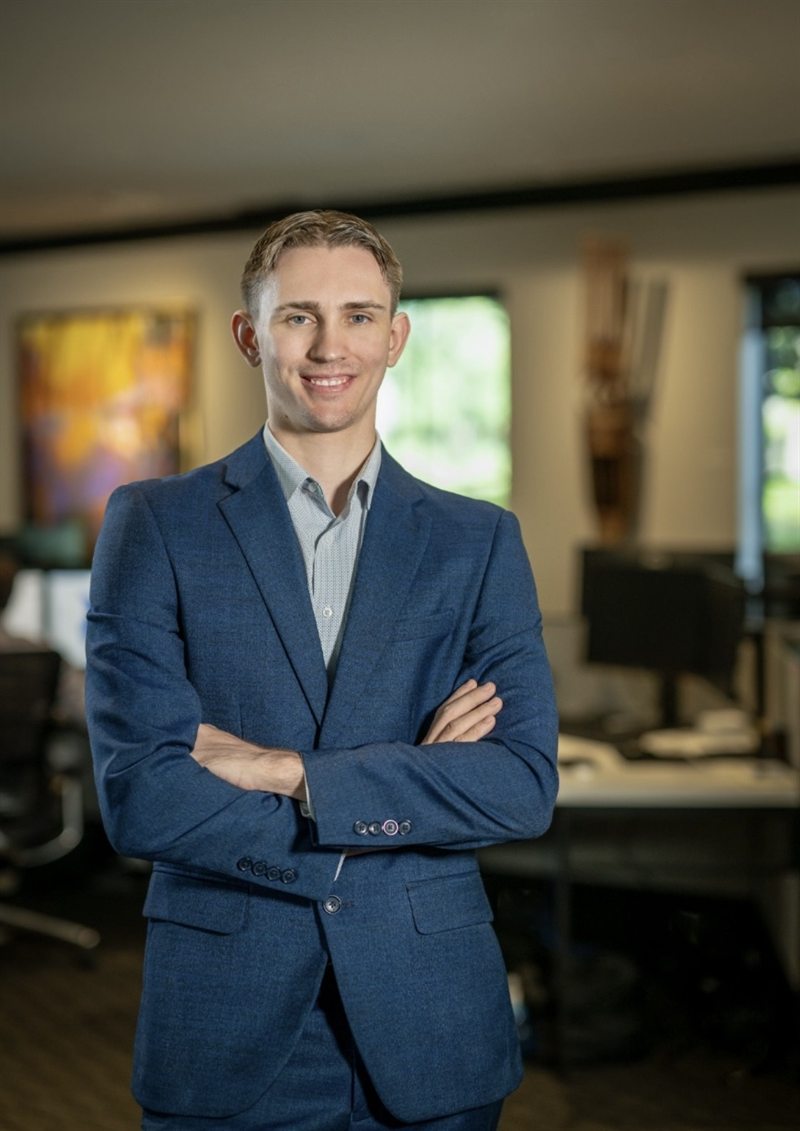
Isaac founded Platform Scale Partners to serve the RIA and wealth management industry exclusively — across M&A advisory, succession planning, executive search, and advisor recruiting. Read his full bio →
Hiring Leadership or Advisors?
We run a rigorous, success-based search — you pay for results, not promises. Start with a confidential conversation about the role and what the right hire looks like.
Schedule a Confidential Call